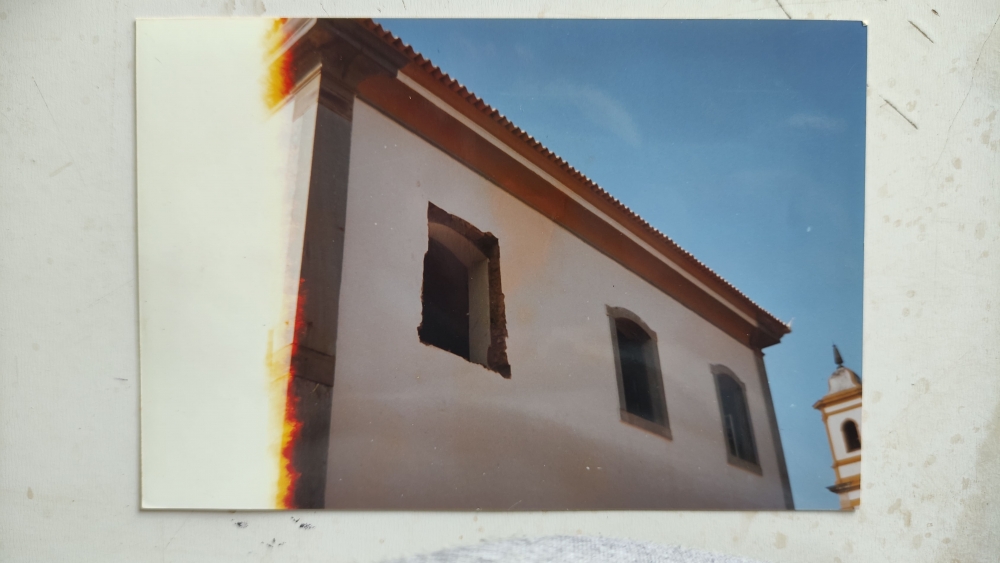
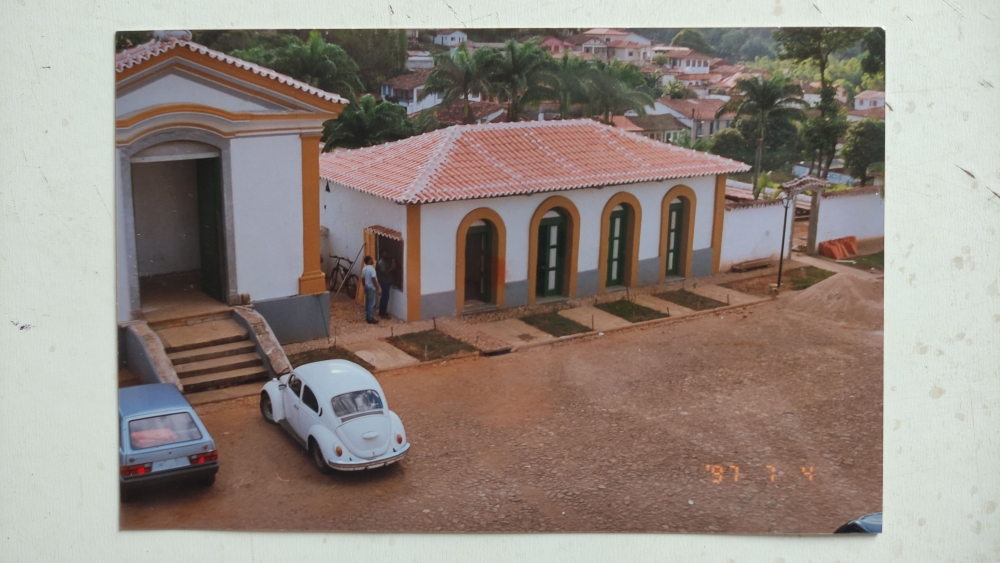
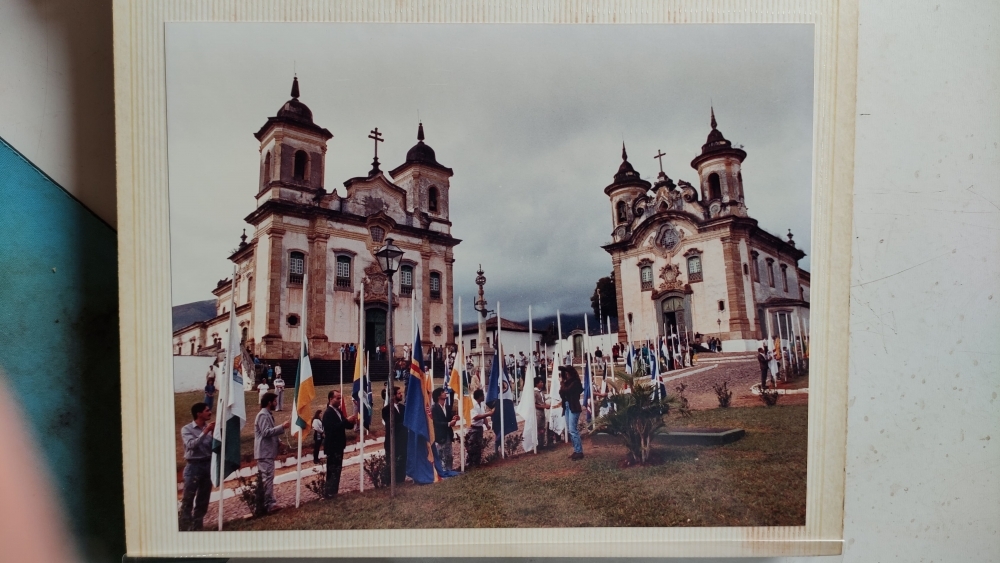
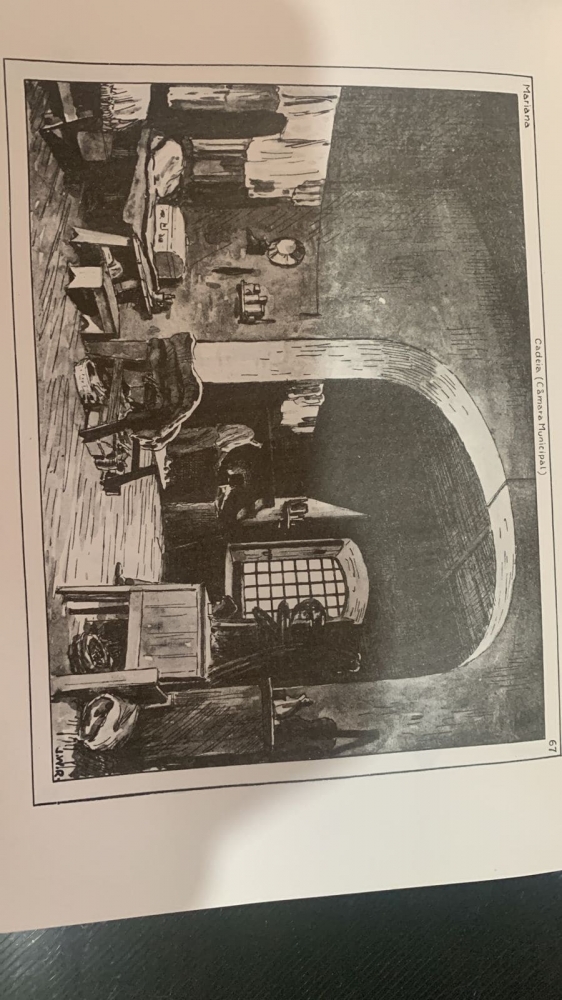
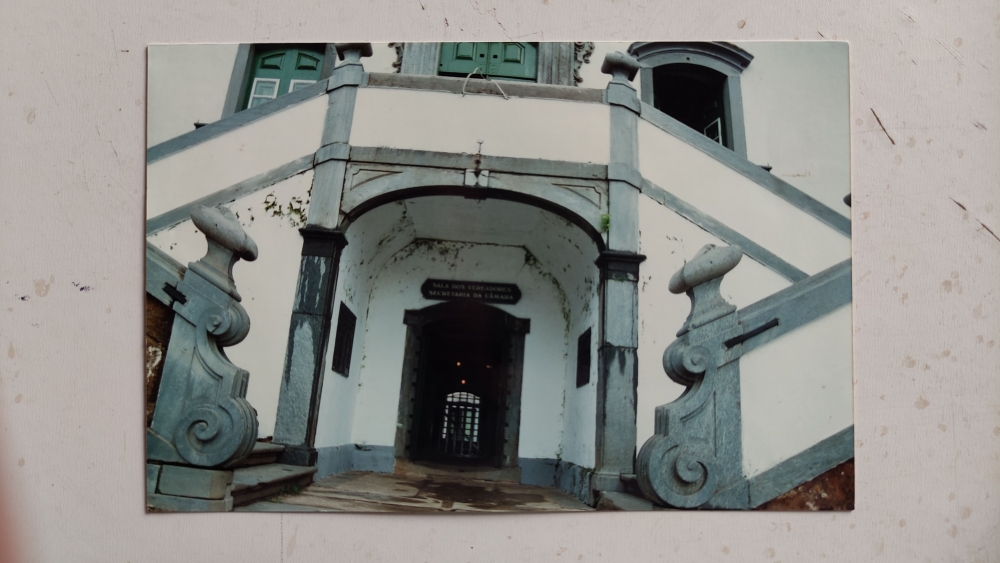
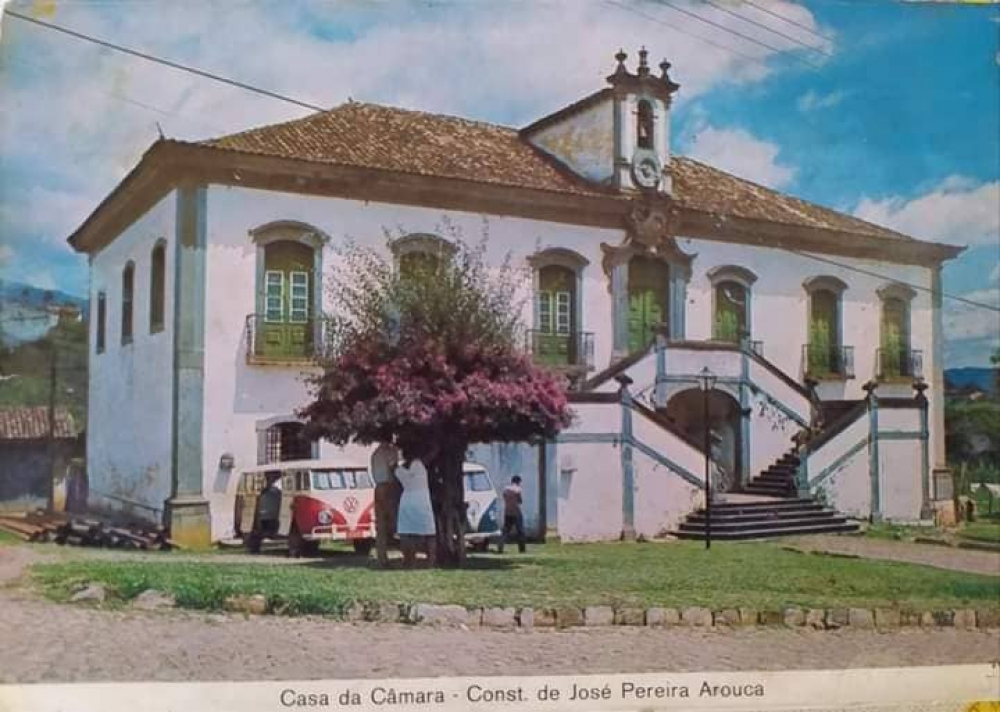
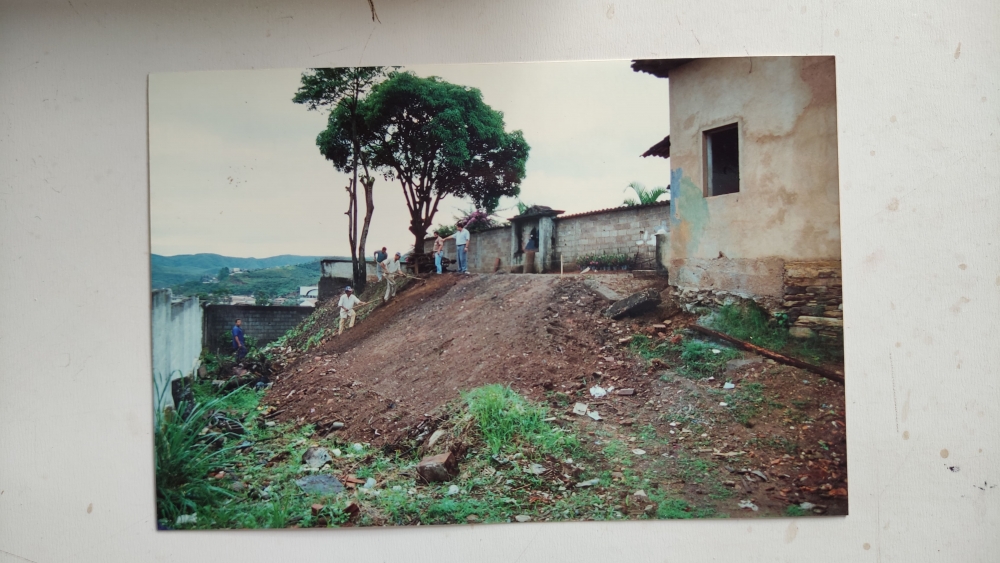
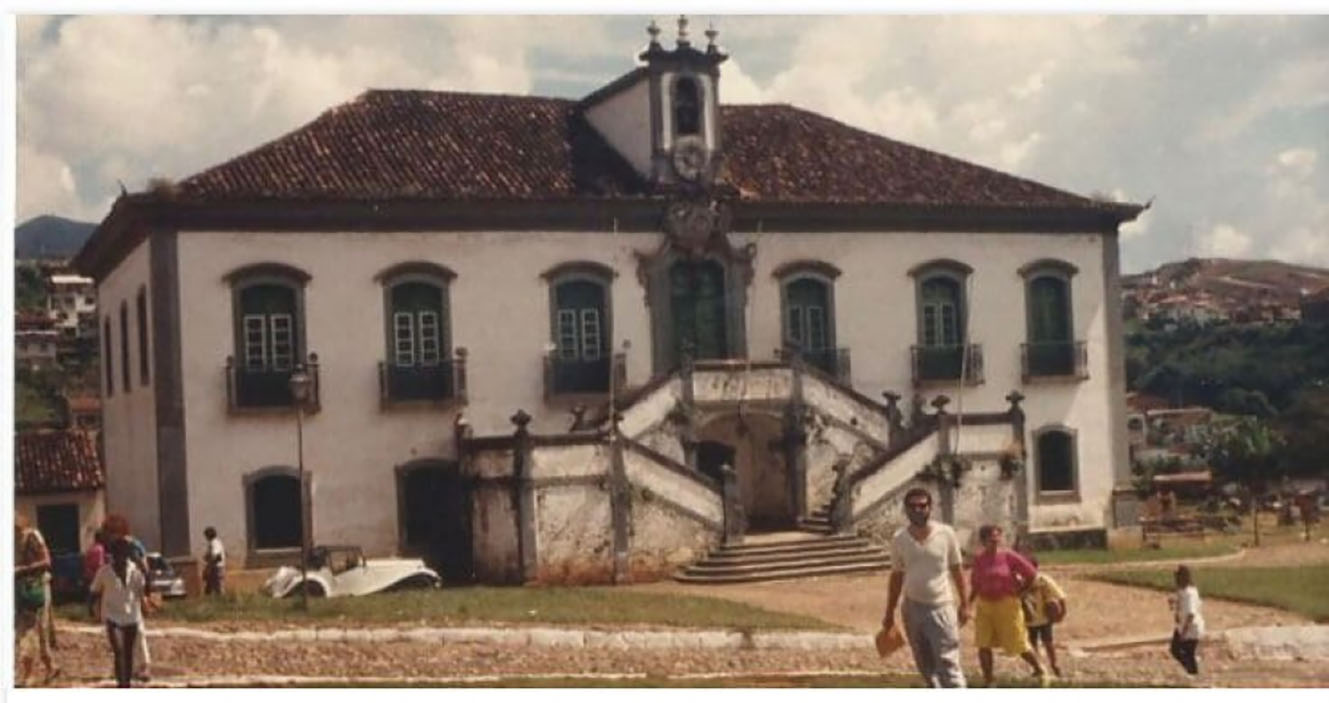
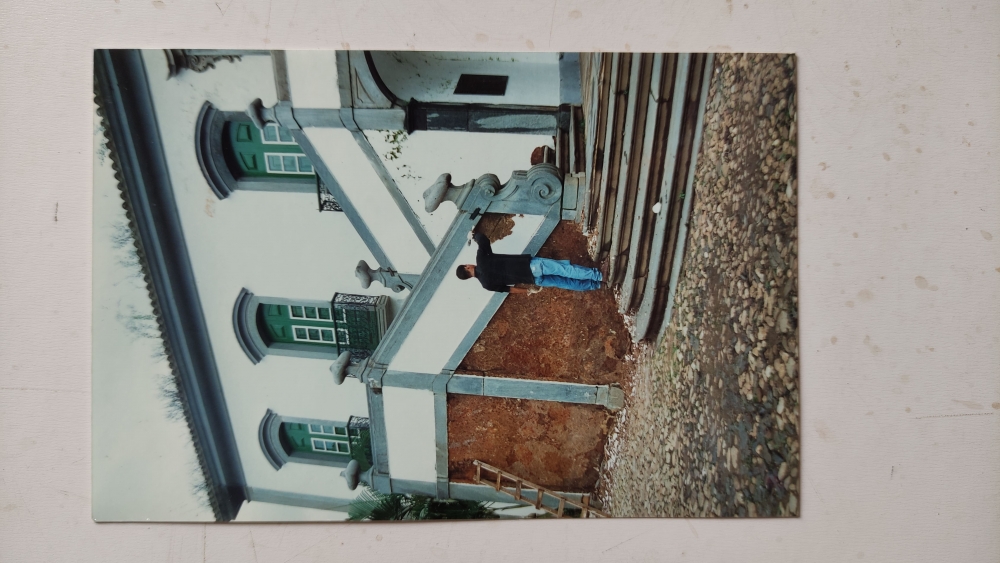
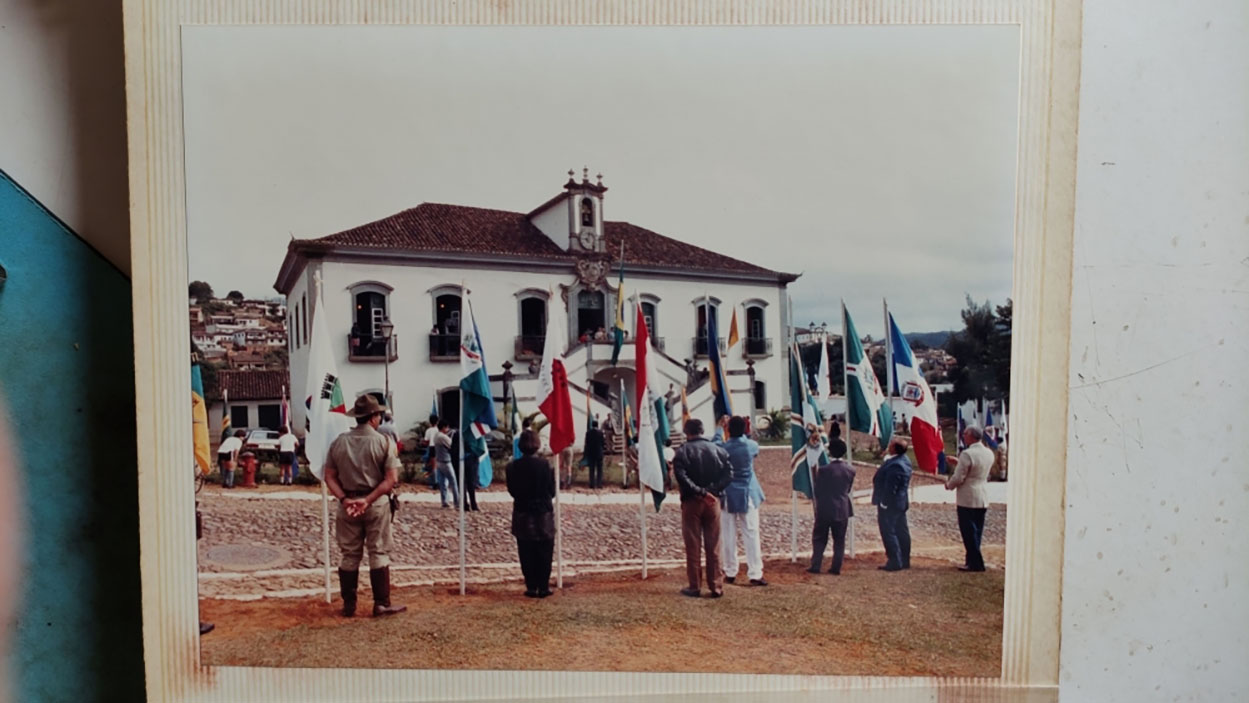
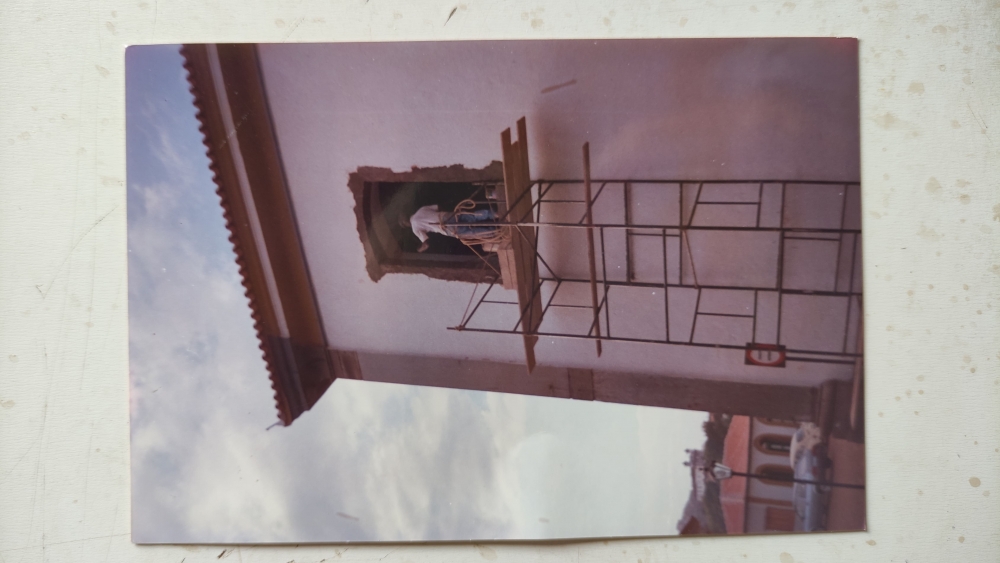
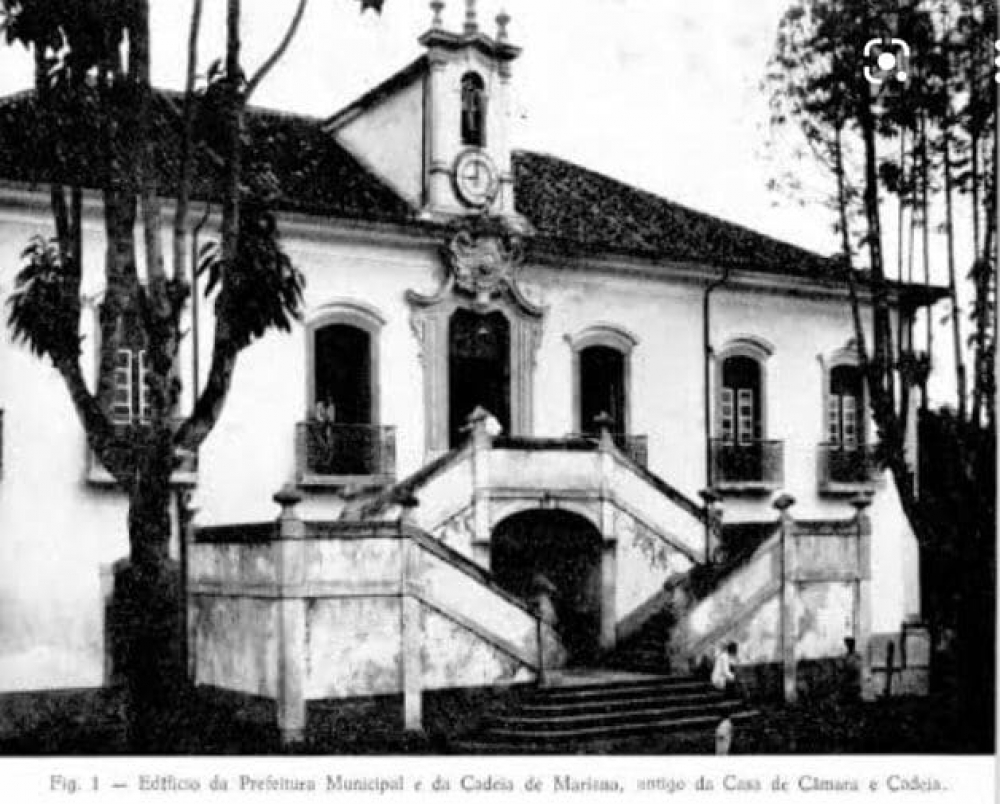
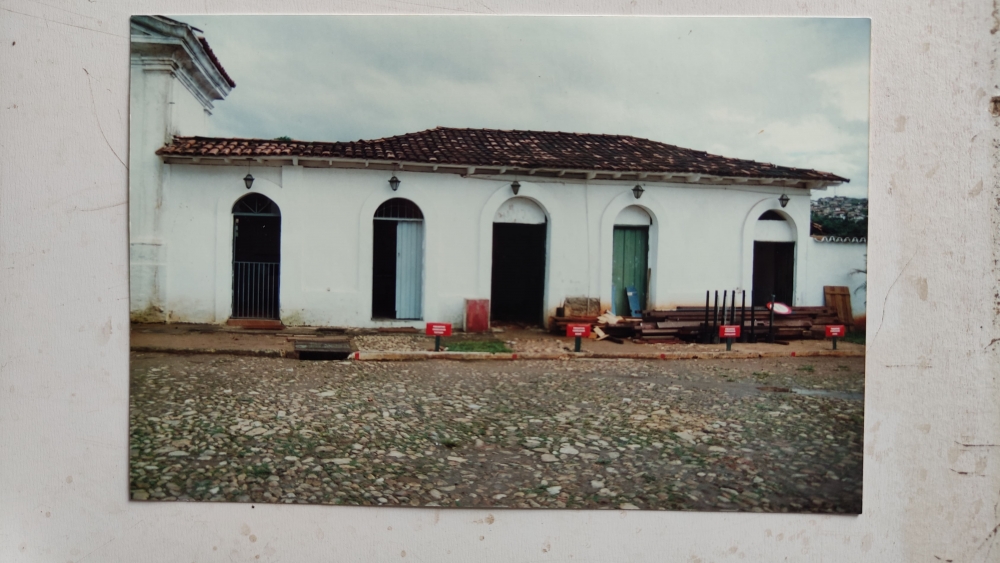
The first Chamber and Jail House was temporarily installed in the house of the first president, Pedro Frazão de Brito, close to the first Matrix.
The Chamber's lands were donated by Antônio Pereira, who in exchange received hereditary possession of the position of Chamber clerk.
From mid-1722 onwards, meetings between chamberlains (councillors) took place in a house on the slope of São Gonçalo,
where there was also a prison for women, in a pull-out house.
It is believed that there was later a jail in the same neighborhood that was affected by a fire, requiring its transfer to Praça da Sé.
Due to the precarious and inadequate state of the Chamber, the King provided a building on the current Rua Direita.
In 1747, the governor and general ombudsman of Vila Rica, together with members of the Chamber of Mariana, wrote….
to the King requesting the use of the Dragoons Barracks land and the demolition of the deactivated barracks to build the Chamber's headquarters.
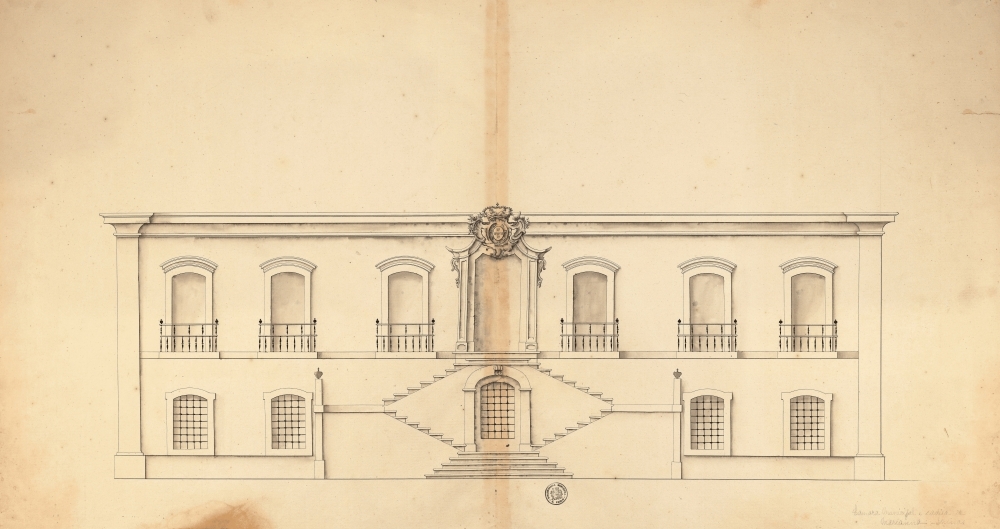
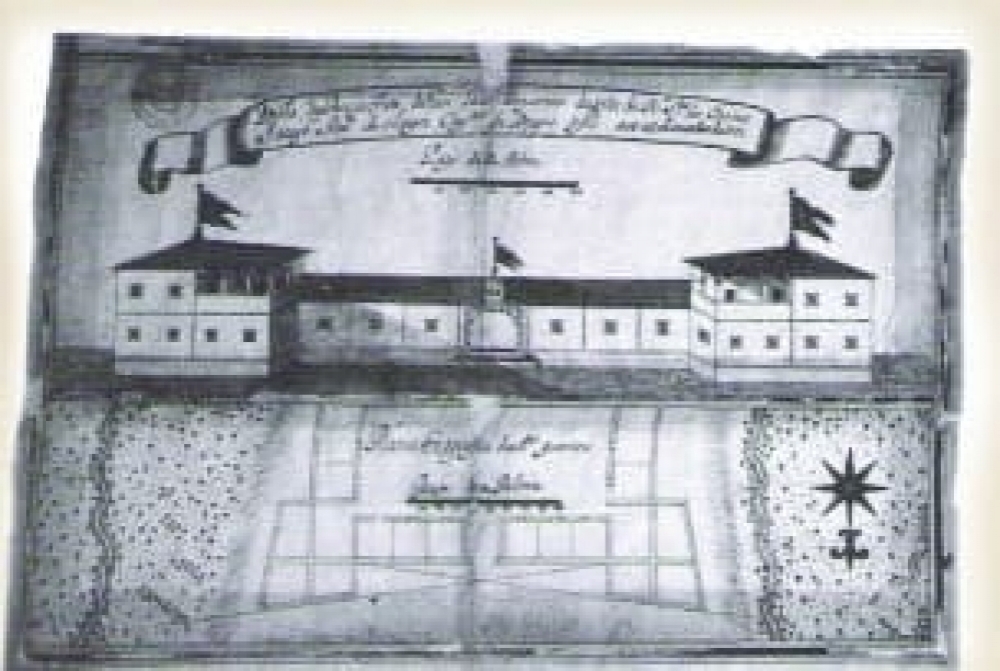
For a project of this magnitude to be carried out, a project was commissioned to be followed, at the time called “risk”. The design of the
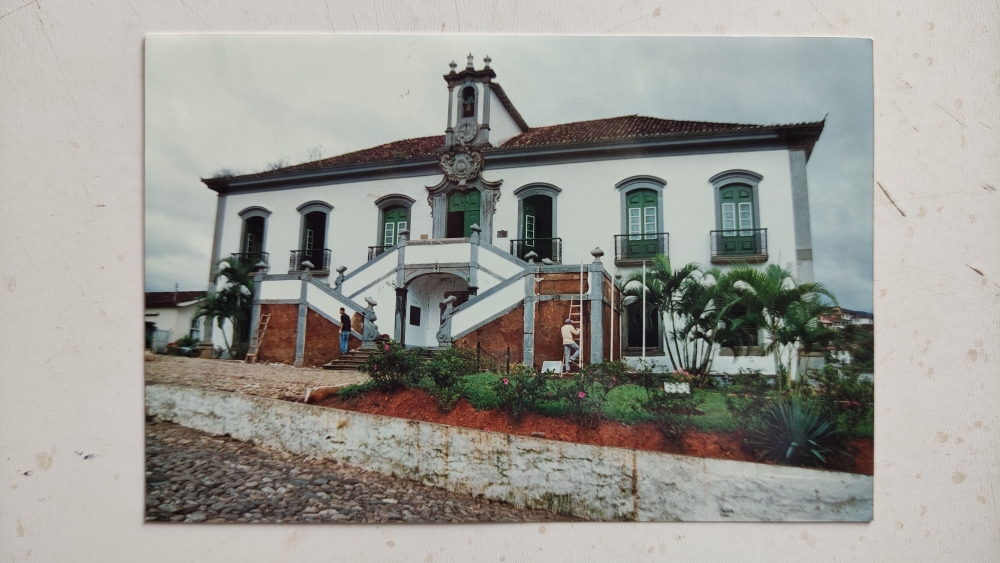
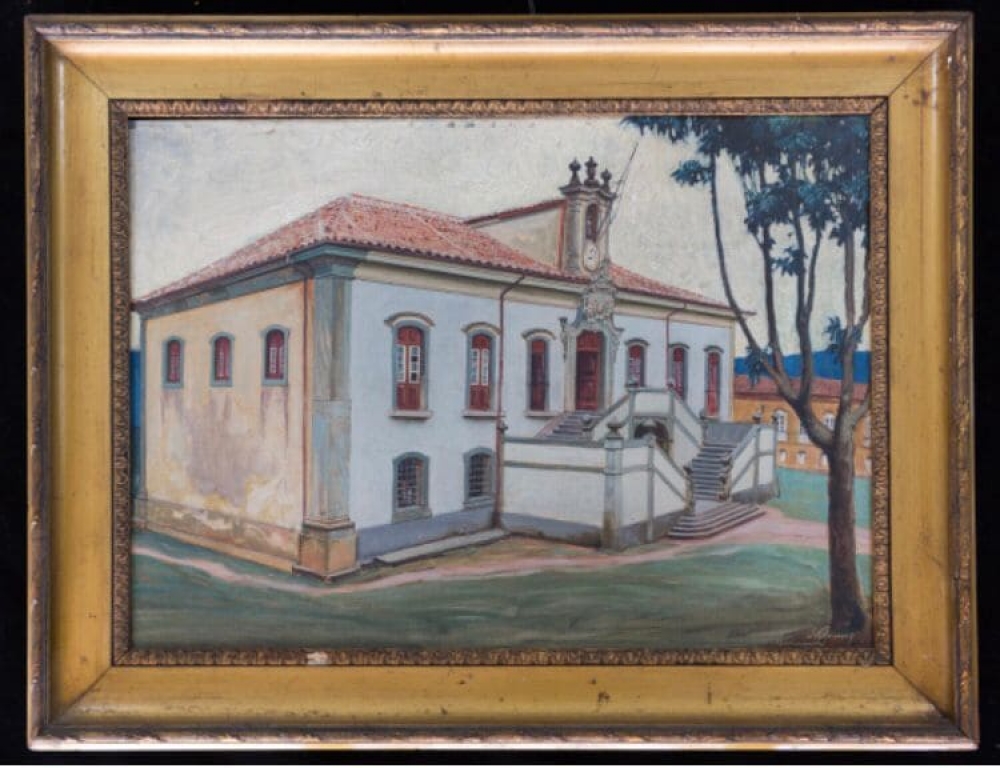
Casa de Câmara and Cadeia de Mariana was created by José Pereira dos Santos, in 1762. After organizing the prospectuses and notes,….
they put the buildings on public auction to be auctioned by whoever offered the lowest price to perform the service, in the case of Mariana,
the bidder was Ensign José Pereira Arouca, in 1782. Once this was done, the contract or notice of auction was drawn up. ,
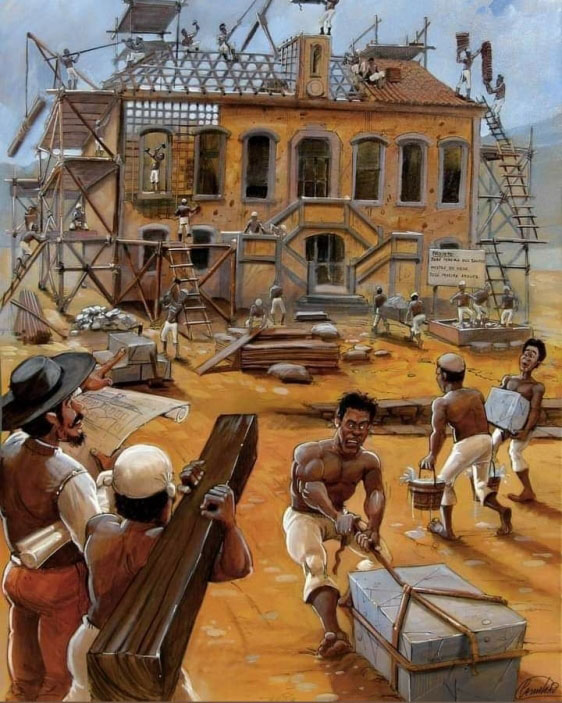
through which the services to be performed were described. The workforce was made up of:
- Prisoners from the locality, among whom were the galleys, who were condemned to perform public services, without receiving any type of salary;
- Blacks, responsible for “transporting materials, plaster, barriers and rubble;
- Indigenous people who mastered the technique of cutting wood and transport;
- Mechanical officers, responsible for “bricklaying, carpentry and painting work, as Barreto points out (1947, p. 67)
On November 10, 1949, Sylvio de Vasconcellos, in his role as Head of the DPHAN District, requested the listing of the House of Chambers and Prison of Mariana,
having received a positive response from Lúcio Costa, then director of the DET, and Rodrigo Mello Franco de Andrade, director of SPHAN, on November 30, 1949.
On December 2, 1949, Rodrigo M. F de Andrade communicated, through…
notification nº 593, to Mayor Cônego José Cotta the “determination of registration of the Casa do Paço Municipal in the Book of the Tombo das Belas Artes”,
with a favorable response. On December 19 of the same year, Carlos Drummond de Andrade inscribed the Casa de Câmara e Cadeia,
under number 345, page 71, in the Book of Tombo das Belas Artes. After leaving his prison role....
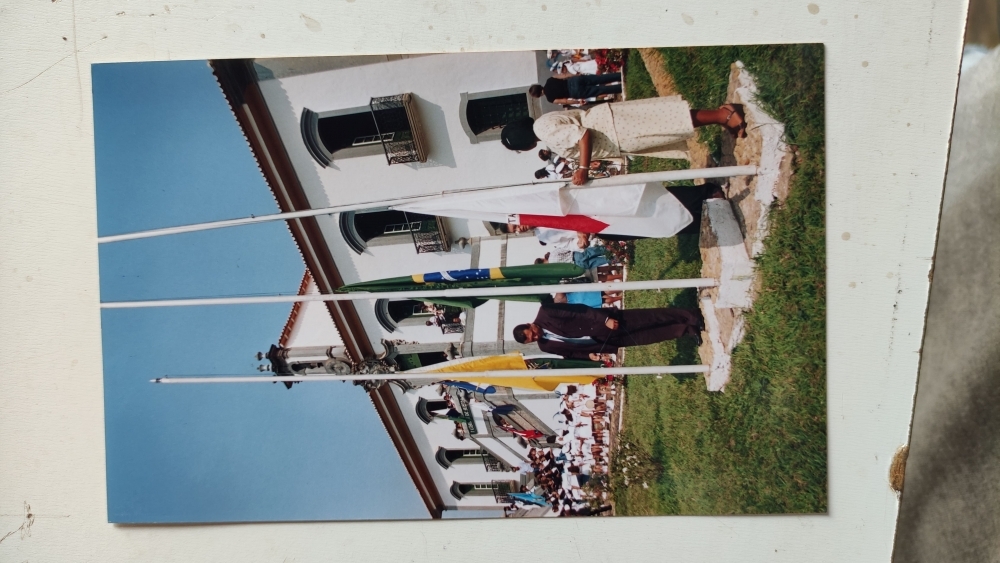
In the early 1970s, the City Hall began operating on the ground floor of the building, which remained until 06/29/1996, with João Ramos as mayor."