tourist guide
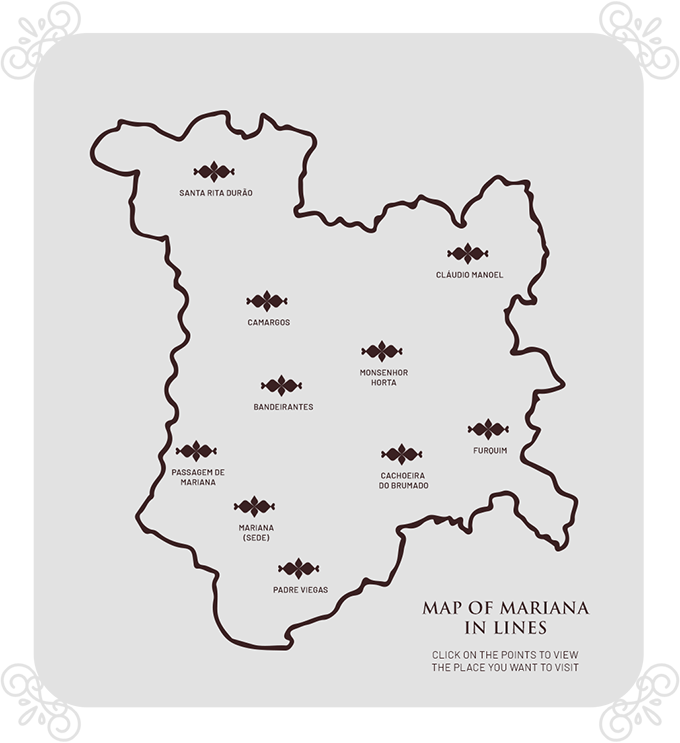
location map



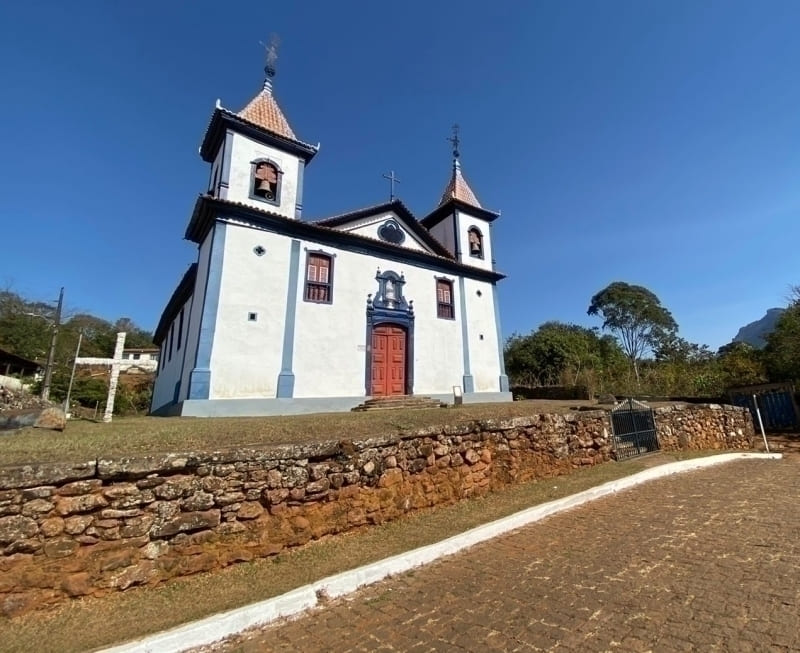
Along the paths of the historic Estrada Real, whether on an ecological walk, horse riding, car or bicycle, 35 km from the center of Mariana it is possible to reach the small village known as Santa Rita Durão.
The district was born in the search for gold mines by large groups that invaded the hinterland of Minas Gerais in the 18th century. The almost failed search for gold gave the district the first name of “Inficionado” around 1702. The term, a variant of the word “Infected”, was due to the little and low-grade gold found in the waters of the course of local water.
The adventure of getting to know the locality allows you to fill your eyes with the beauties of Minas Gerais history and great natural landscapes, and allows you to travel through the poetic pages written by Friar José de Santa Rita Durão, a native of the district and born in 1720. Friar José de Santa Rita Durão became pioneer of Brazilian Literature of one of the greatest Brazilian epic poems, “Caramuru”.
Source: Portal Tourism Marian
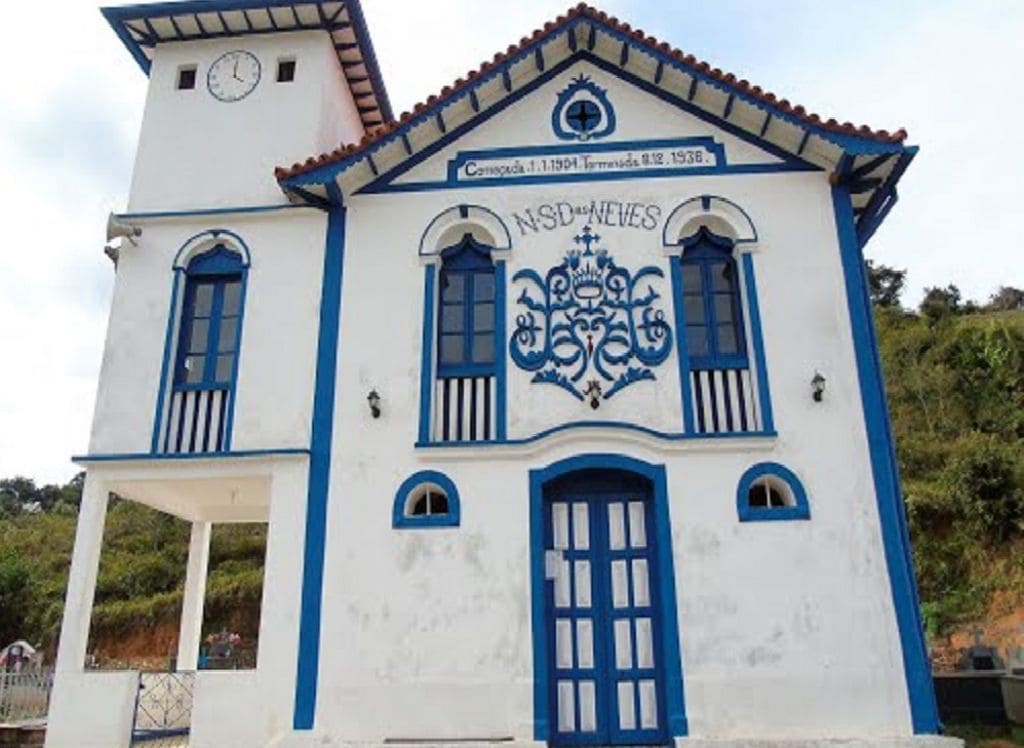
46 km from the center of Mariana, tranquility and coziness can be seen on the streets of the beautiful and historic Boa Vista. The village founded in 1704 years later was named Cláudio Manoel in honor of its founder Cláudio Manoel da Costa, an excellent poet and lawyer.
In addition to the beautiful landscape that mixes with architectural works such as the old Capela Boa Vista, the Igreja Matriz de São Sebastião, the Igreja Nossa Senhora das Neves and the Parish House, the district also maintains its traditional religious festivals throughout the year, such as the Patron Saint's Festival. Saint Sebastian, Feast of Saint Joseph, Holy Week and Month of Mary. The festivities bring together believers from all corners of Brazil.
For picnics, walks and flirting, you have the option of Serra do Coco, a beautiful natural viewpoint with a breathtaking view.
Source: Tourism Portal Mariana
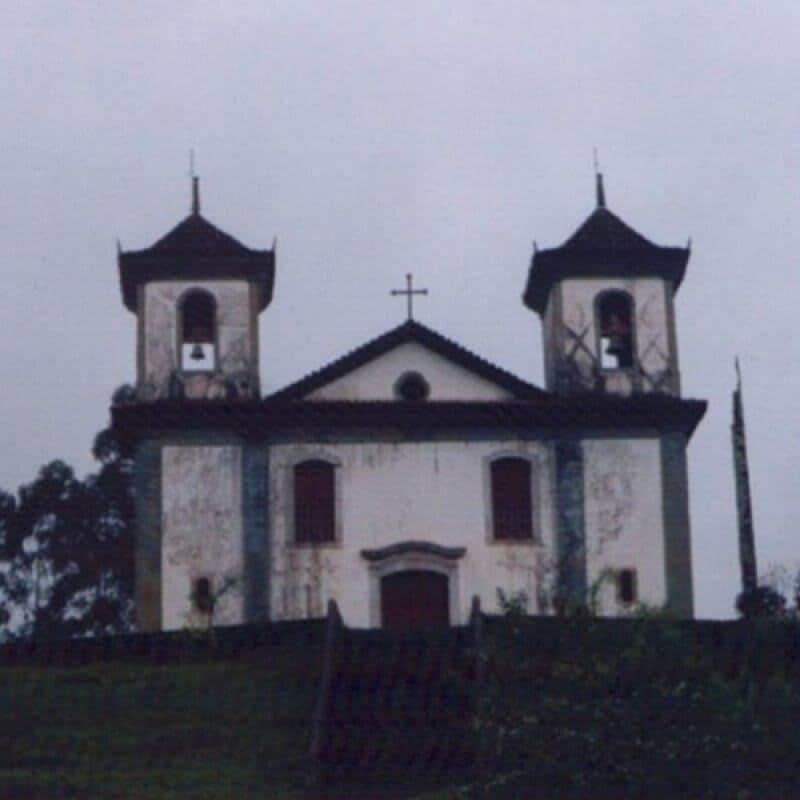
Close to Serra do Caraça and 19 km away from the center of Mariana, crossing the beautiful historical paths of Estrada Real, the small village emerged when the three brothers, Tomáz Lopes de Camargos, João Lopes de Camargos and Fernando Lopes de Camargos found gold in the river. and settled there.
The town took shape at the beginning of the 18th century with the construction of the Church of Nossa Senhora da Conceição, Cruzeiro and Colonial-style houses. In addition to walking through history, the tour of the district also takes us to appreciate nature, including views of Cachoeira de Camargos and small lakes suitable for swimming, with a maximum depth of 1.5 meters.
Source: Tourism Portal Mariana
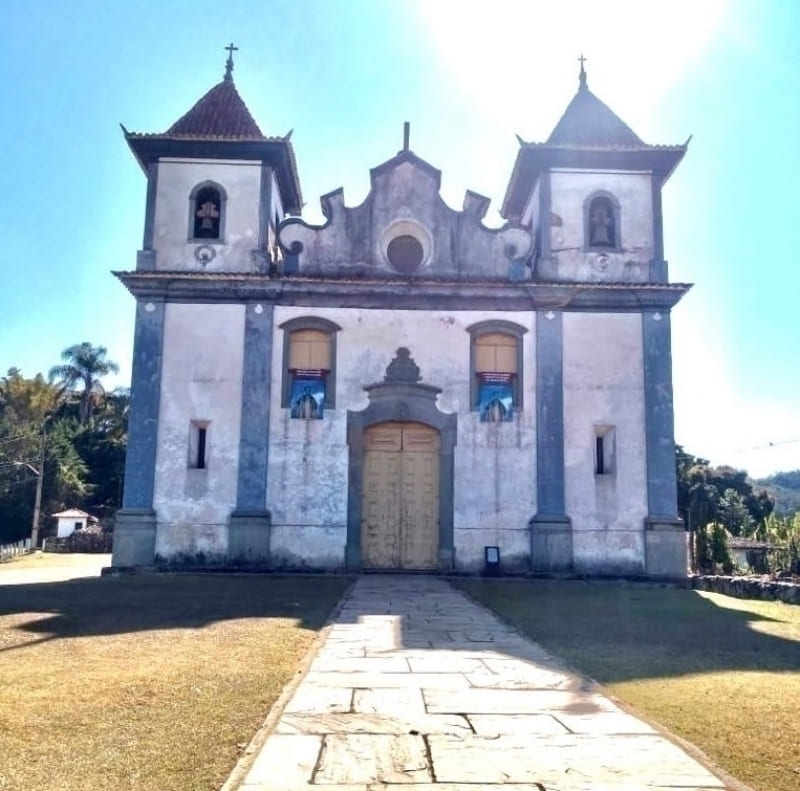
Quiet, cozy place and stage for one of our greatest treasures, Sociedade Musical São Caetano, the 4th oldest band in Brazil, the 3rd in Minas Gerais and the oldest band in the Inconfidentes Region.
In the old town of São Caetano do Rio do Carmo, today Monsenhor Horta, the band São Caetano hosts the traditional Wine Festival in the month of July, when the cold is an attraction in itself. The train station and the old Chapel of Nosso Senhor dos Passos, together with the Igreja Matriz de São Caetano and its large mansions, form, together with the beautiful landscapes, one of the most important festivals on the Gold Route that borders Ribeirão do Carmo.
About 22 km from the center of Mariana, visiting Monsenhor Horta is like taking a walk in history: the Portuguese Caetano Pinto de Castro, Pedro Álvares Pereira and Manuel Monteiro Chassim, in 1836 united the parishes of São Caetano and São Sebastião into just one, making it one of the coziest places to hang out today.
Source: Tourism Portal Mariana
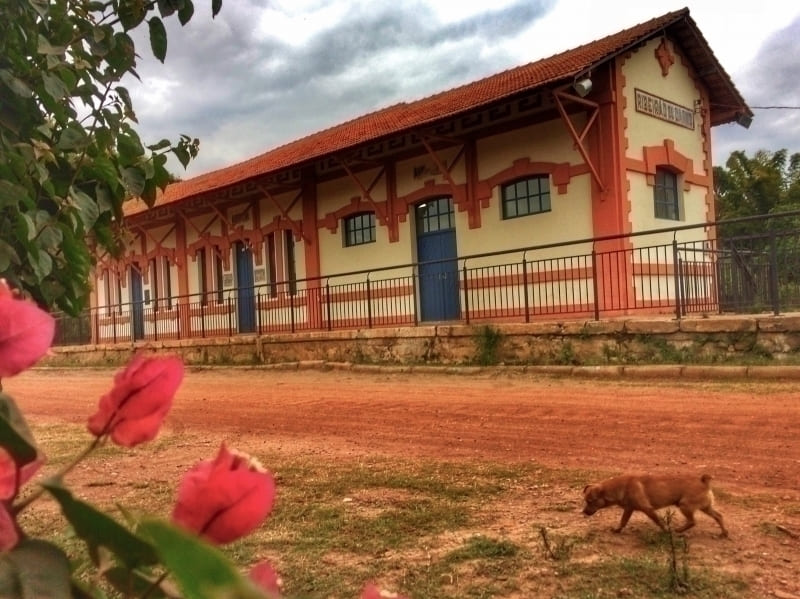
Amidst the ruins of the Railway Station, the beautiful Church of São Sebastião and the unique Chapel of Santa Teresa de Ávila, three monuments from the 18th century, the district of Bandeirantes displays the peaceful and welcoming harmony of environments in the interior of Minas Gerais. The parish and camp of São Sebastião, founded by the sertanista Sebastião Fagundes Varela, are the oldest in the State.
Birthplace of the president of the republic Pedro Aleixo, the district is 12 km from Mariana, and grew parallel to Ribeirão do Carmo, forming a long tortuous axis of approximately 4km, following the watercourse.
A peaceful place to chat with friends, Bandeirantes also has several places and holiday homes, great for having fun with family and friends. The best routes and trails are in the district, and attract hundreds of cyclists, jeep drivers and motorcyclists on weekends. Cachoeira dos Rôlas, on private land, is also a leisure option, with a 15-meter waterfall surrounded by medium and large trees.
Source: Tourism Portal Mariana
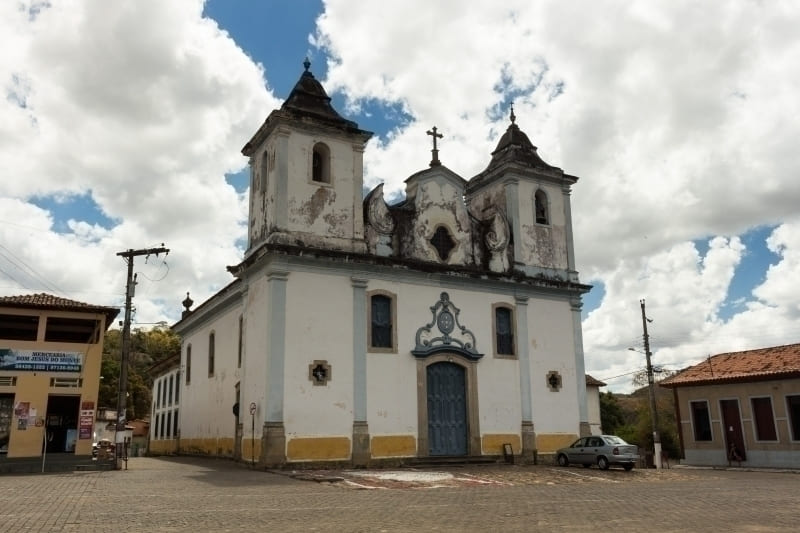
Igreja Matriz de Bom Jesus do Monte, central square and an almost exclusive patriarchal stone cross make up one of the oldest and most cozy settings in Minas Gerais, in the district of Furquim. Coming from the sertanista Antônio Furquim da Luz, who established the festival in the 18th century, the district is located 23km from the center of Mariana and is known for its soapstone art.
Its entrance with a steep descent, full of curves and legends – such as the story of Furquim's bride – allows you to enter into a calm, comforting and welcoming perspective of life.
On January 1st, the district's patron saint is celebrated, with joint festivities between the church and the community, in anticipation of New Year's Eve, which is very traditional in the locality. During this period there is a diverse program, including religious events, some music shows, auctions, pyrotechnic displays and food and drink stalls. The festival attracts many tourists and brings together the local and surrounding population.
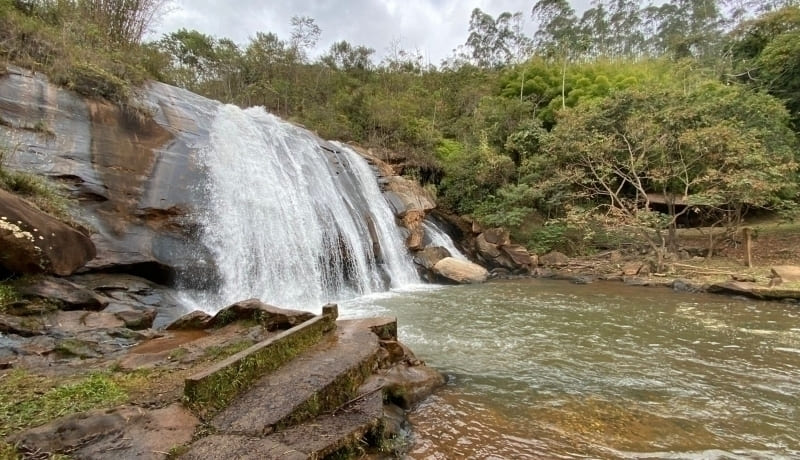
Known as the land of crafts, the district of Cachoeira do Brumado records a great historical legacy, especially in crafts and art, which goes beyond the limits of the municipality of Mariana and the region. The articles made from soapstone, wood, pita and sisal, objects of appreciation and sale within and outside the community, are prepared by hand and have an exquisite finish.
In addition to taking a little of the history and culture of Cachoeirenses into your life and in your suitcase, you can have fun with family and friends at the famous 14-meter-high waterfall, which is surrounded by many trees and has an infrastructure rustic bathrooms, tables, restaurant and parking.
Very close to the waterfall there is the Memorial dos Tropeiros, a space created to remember the story of men who traveled for days on the back of donkeys carrying pots made from soapstone. Built of wattle and daub, the house has several pieces that depict the uses and customs of that time, as well as photographs of the drovers and fagots of the district.
Source: Mariana Tourism Portal
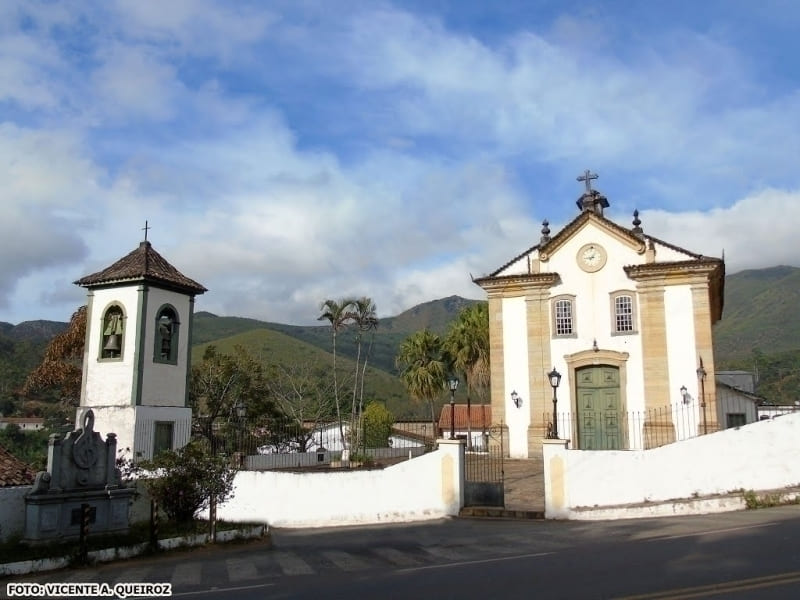
The closest district to Mariana, 5 km from the city center, Passagem allows you to take a journey through history, experiencing the saga and dangerous fate of the men who searched for gold in the interior of the mountains of Minas Gerais. Through a fantastic tour of Mina da Passagem, you can delight in an exciting adventure 120 meters underground. In a trolley, the same cart on rails used for over 200 years, visitors travel 315 meters until they reach a labyrinth of immense galleries suspended by stone columns.
In addition to the exuberant mine, Passagem de Mariana also has beautiful architectural buildings from the 18th century, including the Church of Nossa Senhora da Glória. Very close to the train line it is possible to see ruins of houses built by slaves.
The so-called “cultural district” houses two ancient musical corporations, studios and cultural producers of exemplary uniqueness, which constantly receive visitors and take Mariana’s culture throughout Brazil.
Source: Tourism Portal Mariana
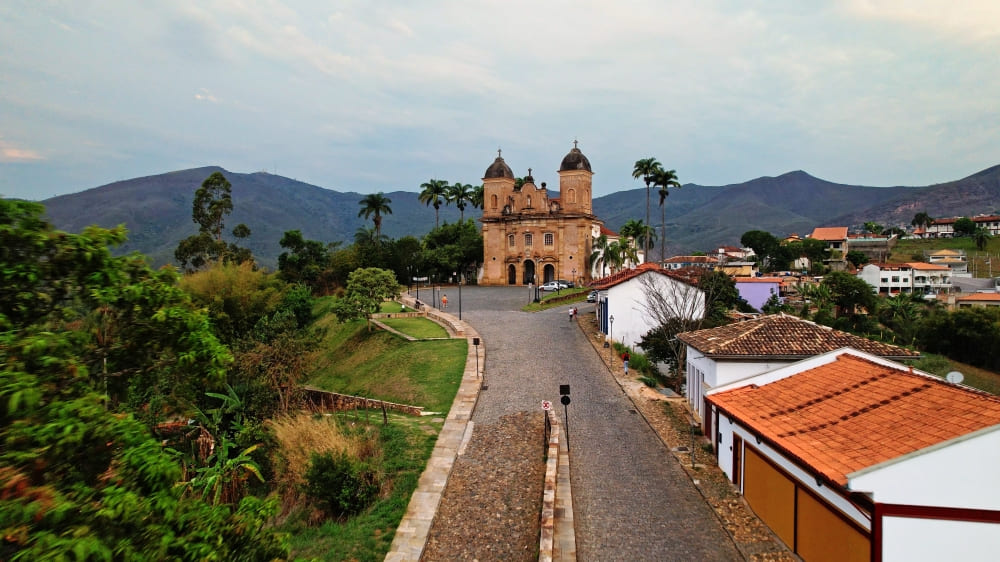
First capital, first village, seat of the first bishopric and first city to be designed in Minas Gerais. The history of Mariana, which has as its backdrop a period of discoveries, religiosity, artistic projection and the search for gold, is also marked by the pioneering spirit of a region that for three centuries has held riches that take us back to the time of Colonial Brazil.
On July 16, 1696, bandeirantes from São Paulo led by Salvador Fernandes Furtado de Mendonça found gold in a river named Ribeirão Nossa Senhora do Carmo. On its banks, the Nossa Senhora do Carmo village was born, which would soon assume a strategic role in the power game determined by gold. The place became one of the main suppliers of this ore to Portugal and, shortly afterwards, it became the first village created in the then Captaincy of São Paulo and Minas de Ouro. The first capital was also established there.
In 1711, the village of Nossa Senhora do Carmo was elevated to the town of Nossa Senhora do Ribeirão do Carmo. In 1745 the King of Portugual, Dom João V, elevated the village to the category of city, named Mariana, a tribute to Queen Maria Ana D’ Austria, his wife. Becoming the religious center of the State, at the same time the city became the seat of the first bishopric of Minas Gerais. For this, Bishop D. Frei Manoel da Cruz was sent from Maranhão. His journey over land lasted one year and two months and was considered a very representative feat in Colonial Brazil. An urban project was necessary, being drawn up by the Portuguese military engineer José Fernandes Pinto de Alpoim. Straight streets and rectangular squares are characteristics of the first planned city in Minas and one of the first in Brazil.
In addition to housing relics and colonial houses that tell part of the country's history, characters representing Brazilian culture were born in Mariana. Among them are the poet and rebel Cláudio Manuel da Costa, the sacred painter Manuel da Costa Ataíde and Frei Santa Rita Durão, author of the poem “Caramuru”.
A pioneer in communication, the first post office in the State was installed on its lands in 1730. At the time known as “Correio Ambulante”, it established communication between Rio de Janeiro, São Paulo and the capital of Minas Gerais.
In 1945, Mariana received the title of National Monument from President Getúlio Vargas for its “significant historical, religious and cultural heritage” and actively participated in the country's civic and political life, contributing to Independence, the Empire and the Republic, to the formation of Brazilian nationality.
Every year, on July 16th, Minas Gerais Day, the Government of the State of Minas Gerais settles in the city, holding an allusive ceremony in Praça Minas Gerais which, due to the harmony and plastic beauty of its monuments, is an expressive urban complex in Minas Gerais. colonial.
The extraction of iron ore is the city's main industrial activity, a strong generator of jobs and public revenue. Its districts develop agricultural activities and present varied crafts, expressing the cultural diversity of Minas Gerais.
All of this makes “Prieira de Minas” one of the most important municipalities in the Circuito do Ouro and an integral part of the Trilha dos Inconfidentes and the Circuito Estrada Real. A city listed as a National Monument in 1945 and full of riches from the period in which the history of Minas Gerais began to be traced.
Source: City Hall Portal
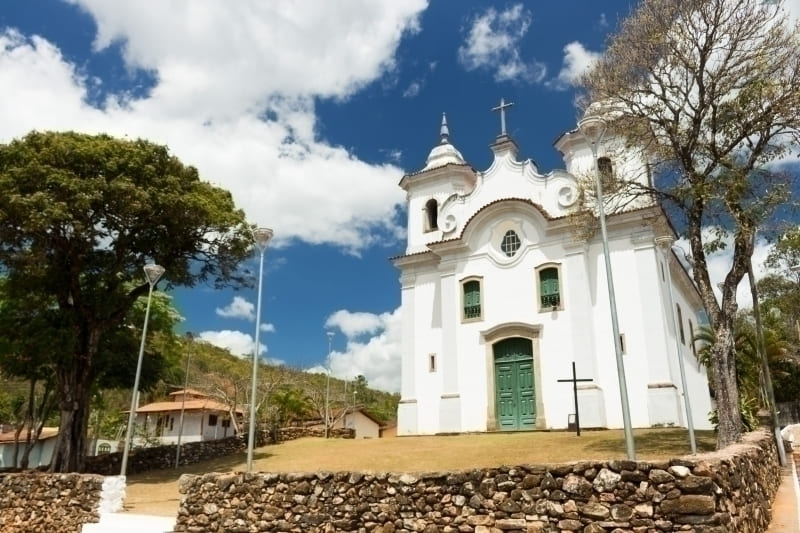
The district of Padre Viegas or Sumidouro, as it is affectionately called, is a quiet place, with few people on the streets, no rush, where children still play freely outside their homes. The name of the district is a tribute to a religious man who studied there as a boy, at Colégio Interno Padre Osório - one of the oldest in the state of Minas Gerais. On October 12th, the anniversary of the district's foundation, the day of the local patron saint, the anniversary of the Nossa Senhora do Rosário Choir and the local football team are celebrated.
The district is synonymous with hospitality and good food. A mixture of cornmeal, bacon, chicken, pepperoni and lots of love forms a delicious dish well known to the residents of Mariana: Couscous. The traditional Couscous Festival receives hundreds of visitors eager to taste this delicacy from Minas Gerais and also takes place annually on October 12th.
Located 9km from Mariana, its setting, surrounded by natural beauty, ranges from rustic to classic in a harmonious mix of historic buildings from the 18th century to extensive farms, translated into verse by the great Marian writer Cláudio Manuel da Costa, a native of the district.
Source: Tourism Portal Mariana